



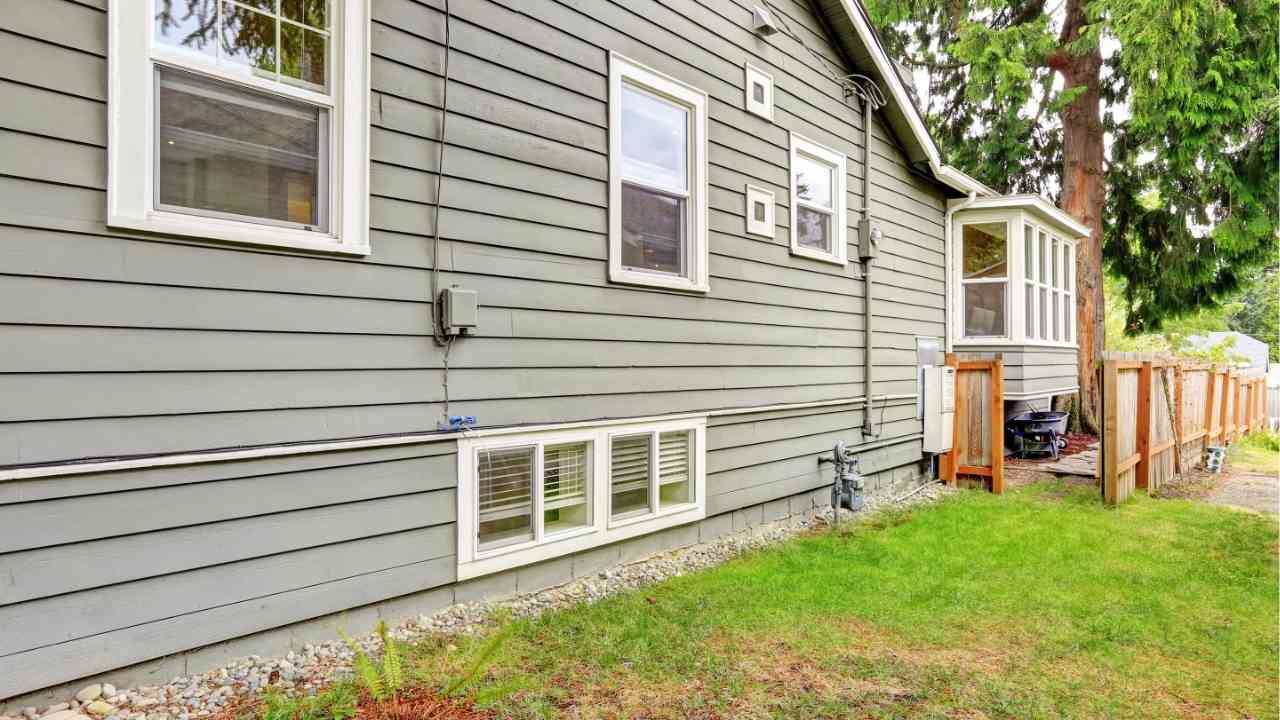
Should You Paint or Replace Exterior Siding?
Faded, peeling, or damaged siding can make an otherwise well-maintained home look neglected. But when the exterior starts showing its age, homeowners often face a difficult question: should the siding be repainted, or is it time to replace it completely?
In Whatcom County, exposure varies a lot by location. Homes near the water in Birch Bay deal with salt air and wind-driven rain that wear down siding faster, while homes closer to Mt. Baker in Glacier face harsher freeze-thaw cycles each winter. Knowing which of these factors is at play helps determine whether a repaint will hold up or replacement is the better long-term investment.
Homeowners searching for a “painting contractor near me in Bellingham WA,” may find that professional painting is the most practical and affordable solution. Quality exterior painting services can restore curb appeal and extend the life of sound siding, while an experienced local residential painter can also identify damage that should be repaired before any coating is applied.
This guide explains how to evaluate your siding, compare the costs and benefits of each option, and make a decision that protects both your home and your budget.
Start With the Condition of Your Siding
The appearance of your siding does not always reveal its true condition. A surface may look worn but still be structurally sound. On the other hand, siding that appears acceptable from the street may conceal moisture damage, rot, or loose sections.
Before choosing between painting and replacement, inspect the exterior closely.
Signs your siding may only need painting include:
Faded or uneven color
Minor peeling or flaking paint
Light surface stains
Small cracks that can be sealed
Chalky residue on painted siding
A dated color that no longer suits the home
These issues are mostly cosmetic. Once the surface is cleaned, repaired, primed, and coated, the siding may look nearly new again.
Replacement may be the better choice when you notice:
Widespread wood rot
Warped, buckled, or loose boards
Soft spots beneath the surface
Large cracks or missing sections
Persistent mold or mildew
Water stains inside the home
Rising heating or cooling costs
Insect damage
Repeated paint failure
A few damaged boards do not necessarily mean the entire exterior must be replaced. Individual sections can often be repaired before painting. However, widespread deterioration usually means a new paint job would only hide the problem temporarily.
When Painting Is the Smarter Investment
Painting is often the best choice when the siding is still solid but has lost its color or protective finish. It costs considerably less than full replacement and can deliver a dramatic visual improvement in a relatively short amount of time.
A professional paint job can help:
Protect siding from moisture
Reduce sun and weather damage
Seal small surface imperfections
Refresh the style of the home
Improve perceived property value
Delay the need for replacement
Wood siding generally requires periodic repainting because its protective coating wears down over time. Fiber cement siding can also be repainted successfully when the factory finish fades. Even some types of vinyl siding can be painted, provided the correct products and application methods are used.
Preparation is the most important part of the project. Painting over dirt, mildew, loose coatings, or rotten wood will lead to poor adhesion and premature failure.
A proper exterior painting process may include:
Washing the siding
Scraping loose or peeling paint
Sanding rough edges
Replacing damaged boards
Caulking gaps and joints
Priming exposed or repaired areas
Applying a weather-resistant finish
Skipping these steps may save time initially, but it often leads to bubbling, cracking, and peeling later.
When Siding Replacement Makes More Sense
Replacement becomes the stronger long-term option when the existing material can no longer protect the house effectively. New paint cannot repair structural decay, stop hidden leaks, or restore badly warped siding.
Older homes may also have siding with weak insulation, outdated installation methods, or years of concealed water exposure. Replacing the material provides an opportunity to correct these problems rather than repeatedly covering them.
New siding may offer:
Better resistance to moisture
Improved energy efficiency
Lower maintenance requirements
Stronger protection against wind and rain
Updated colors and architectural styles
Longer service life
Increased resale appeal
Replacement may also be worthwhile when repairs would affect a large percentage of the exterior. If contractors must remove and rebuild many individual sections before painting, the combined cost may approach the price of new siding.
The drawback is the larger upfront investment. Replacement also takes longer and may involve removing trim, repairing sheathing, installing a weather barrier, and rebuilding exterior details.
For homeowners planning to remain in the property for many years, those improvements may justify the expense. For homeowners preparing to sell, painting may provide a faster return when the existing siding is still functional.
Compare Cost, Longevity, and Return
The cheapest option today is not always the least expensive option over time. A low-cost paint job applied to failing siding may need to be redone or followed by replacement within only a few years.
Consider three factors before making your decision.
Current Repair Costs
Ask how much damaged siding must be repaired before painting. Minor repairs are normal. Extensive repairs may indicate that replacement offers better value.
Expected Service Life
A properly prepared exterior paint job can protect quality siding for years, but its lifespan depends on the material, climate, sun exposure, moisture, and workmanship.
New siding usually lasts much longer, especially when installed with updated moisture protection and durable modern materials.
Future Plans
Painting may make sense when you need a cost-effective exterior refresh or plan to sell soon. Replacement may be more appealing when you want lower maintenance, better efficiency, and long-term protection.
Avoid making the decision based on curb appeal alone. The best investment is the one that solves the underlying condition of the exterior.
Short Case Study: Repair and Paint Versus Full Replacement
A Bellingham homeowner noticed peeling paint, dark staining, and several cracked wood siding boards. They initially assumed the entire exterior needed replacement. During the inspection, the contractor found that most of the siding remained firm and properly attached. Only a small area near a leaking gutter had developed rot. The damaged boards were replaced, the drainage problem was corrected, and the exterior was thoroughly prepared and repainted. The homeowner achieved the appearance of a full renovation without paying for unnecessary replacement. More importantly, correcting the moisture source helped prevent the same damage from returning.
Questions to Ask Before Deciding
A qualified contractor should be able to explain why painting or replacement is appropriate based on visible evidence.
Ask questions such as:
Is the siding structurally sound?
How much of the exterior requires repair?
Is moisture trapped behind the siding?
Why did the previous coating fail?
Can damaged sections be replaced individually?
Which primer and paint are suitable for this material?
How long should the finished project last?
Would replacement improve insulation or moisture control?
What preparation is included in the estimate?
Is the labor and material covered by a warranty?
Be cautious when someone recommends painting without inspecting damage or pushes replacement without explaining why repairs are not practical. A trustworthy professional should help you understand the trade-offs rather than pressure you toward the most expensive option.
Protect Your Home With the Right Exterior Solution
Painting is usually the right choice when siding is stable, repairable, and mainly suffering from faded color or coating failure. Replacement is more appropriate when damage is widespread, moisture has reached the structure, or the material has reached the end of its useful life.
Not sure which option is right for your home? Schedule a free exterior siding inspection and get a clear, itemized estimate before you decide.