



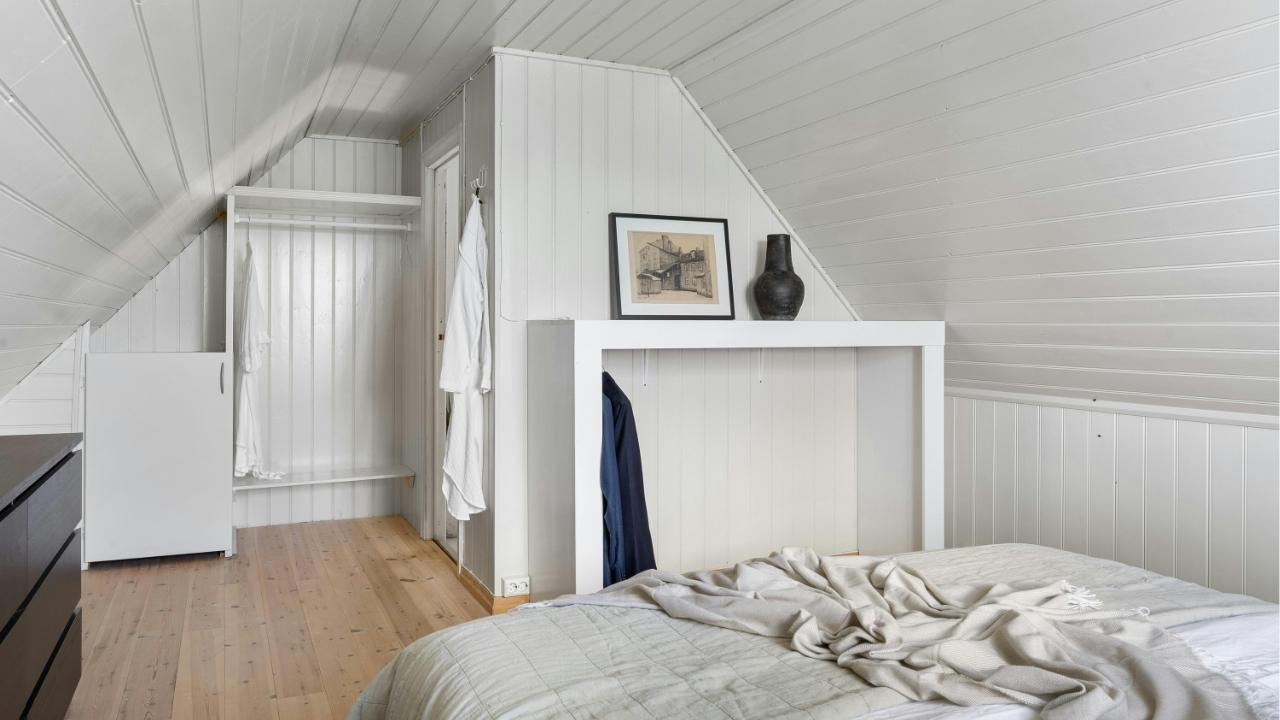
Paint Colors That Maximize Light in Windowless Attics
A dark attic can feel like wasted space. Low ceilings, limited airflow, and no windows often make these rooms feel cramped and gloomy. But the right paint colors can dramatically transform how the space looks and feels.
This is a common project across Whatcom County, where older farmhouse attics in Lynden and Maple Falls are frequently converted into bonus rooms, offices, or guest spaces with little to no natural light. With the Pacific Northwest's overcast skies already limiting ambient brightness in well-lit rooms, the right reflective, light-toned finish matters even more in these converted spaces.
In this guide, you’ll learn which paint colors help brighten windowless attics, how light-reflective finishes work, and practical strategies that make small attic spaces feel open and inviting.
Choose Light-Reflective Whites and Soft Neutrals
When natural light is limited, paint becomes your main design tool. Light-reflective colors bounce artificial lighting around the room, making the attic feel brighter and larger.
Many Bellingham WA local painting contractors recommend starting with soft whites because they maximize reflection without feeling harsh.
Effective color options include:
Warm whites (instead of stark pure white)
Soft cream tones
Light beige
Pale greige
Off-white with subtle undertones
These colors prevent the space from feeling sterile while still reflecting light effectively. Warmer tones also help counteract the cool feeling that attic spaces sometimes have.
For best results, use a satin or eggshell finish. These finishes subtly reflect light without highlighting imperfections on attic walls.
Use Pale Colors That Reflect Artificial Light
Since windowless attics rely entirely on artificial lighting, color choice should support the lighting plan.
Soft, airy colors work particularly well during interior painting projects where the goal is to brighten a dim room.
Consider these attic-friendly shades:
Pale sky blue
Soft mint green
Light blush tones
Dusty lavender
Faint butter yellow
These colors reflect light while adding personality. The key is choosing muted versions rather than bold shades.
Another helpful trick is using the same color on both walls and sloped ceilings. This removes visual breaks and makes the room appear taller.
Avoid Dark or Heavy Paint Colors
Dark colors absorb light instead of reflecting it. In an attic with no windows, they can make the space feel smaller and more enclosed.
Colors to avoid include:
Deep navy
Charcoal gray
Dark forest green
Chocolate brown
Bold jewel tones
While these shades can look beautiful in larger rooms, they usually overpower attic spaces.
If you want contrast, introduce darker colors through décor instead:
Throw pillows
Accent furniture
Rugs
Wall art
This keeps the room visually interesting without sacrificing brightness.
Case Study: Turning a Dark Attic Into a Bright Workspace
A homeowner recently converted a windowless attic into a home office but struggled with poor lighting and a cramped feel. The walls were originally painted a dull beige that absorbed light from overhead fixtures.
After consulting a local painting company, the room was repainted in a warm off-white with a satin finish. The sloped ceilings were painted the same shade to eliminate visual breaks.
The transformation was dramatic. Light reflected evenly across the room, making the ceiling appear higher and the space significantly brighter. Combined with updated LED lighting and light-colored furniture, the once-dark attic became an inviting, productive workspace.
Smart Painting Tips for Windowless Attics
Choosing the right color is important, but technique matters just as much.
Follow these expert tips:
Paint ceilings the same color as walls for visual openness
Use satin or eggshell finishes to reflect light
Add layered lighting (overhead + wall lamps)
Keep trim colors light and simple
Test paint samples under attic lighting first
These small adjustments can dramatically improve how bright and spacious the attic feels.
Transform Your Attic With the Right Paint
A windowless attic doesn’t have to stay dark and forgotten. With the right paint colors and finishes, you can turn it into one of the most inviting spaces in your home.
Ready to brighten up a windowless attic? Request a free interior painting quote and find the palette that makes the space feel open.