



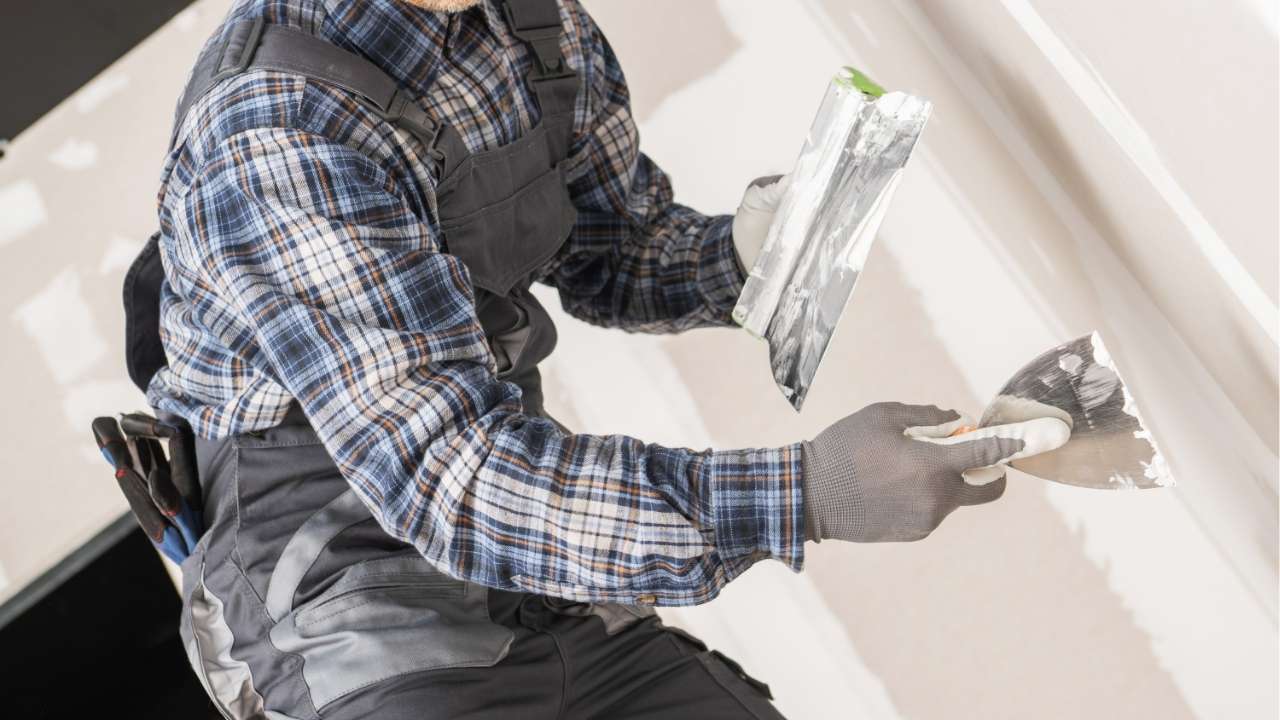
Do You Need Drywall Repair Before Interior Painting?
A fresh coat of paint can transform a room, but paint alone cannot hide every flaw. Cracks, dents, loose tape, water stains, and uneven patches often remain visible and may look even worse once the new color dries.
This is especially common in Whatcom County's older housing stock, from farmhouses in Everson to historic homes near downtown Bellingham, where seasonal moisture and settling often show up as hairline cracks or soft spots long before a repaint is on the calendar.
Before hiring Bellingham WA local painting contractors, it helps to inspect the walls and determine whether repairs should happen first. Some small imperfections only need light filling and sanding. Larger damage may require a drywall contractor to restore the wall before painting begins.
A reliable local painting company will usually examine the surface, explain what needs attention, and recommend the right level of preparation. Addressing drywall problems before painting creates smoother walls, cleaner lines, and a finish that lasts much longer.
In this guide, you will learn which drywall issues require repair, what may happen if damage is ignored, and how professional preparation protects your painting investment.
Why Wall Condition Matters Before Painting
Interior paint works best on a clean, dry, and stable surface. When drywall is damaged, the paint may cover the color difference, but it will not repair the underlying problem.
In fact, fresh paint can make wall defects more noticeable. Light reflects differently across dents, ridges, cracks, and rough patches. Dark colors, glossy finishes, and rooms with strong natural lighting tend to expose imperfections even more.
Common drywall problems that should be evaluated before painting include:
Nail holes and anchor holes
Dents caused by furniture or doors
Hairline cracks around windows and ceilings
Peeling or bubbling drywall tape
Uneven patches from previous repairs
Water stains or soft drywall
Holes caused by plumbing or electrical work
Texture that does not match the surrounding wall
Small holes may only require patching compound and sanding. Larger holes, moisture damage, or recurring cracks may require more extensive work.
The goal is not always to make every wall completely flawless. The goal is to create a stable, even surface that allows the paint to look clean and professional.
Signs You Need Drywall Repair First
Some wall damage is mostly cosmetic. Other damage can point to moisture, movement, or structural issues that should not be covered without investigation.
Cracks Keep Coming Back
A tiny crack may be caused by normal settling, especially in an older home. However, cracks that return after patching may indicate movement in the drywall, framing, or foundation.
Painting over a crack without repairing it properly usually provides only temporary coverage. The crack may reappear through the new paint within weeks or months.
Drywall Tape Is Peeling
Drywall tape is used to cover the seams between panels. When it loosens, bubbles, or peels, it creates a raised line that paint cannot hide.
The damaged section usually needs to be removed, retaped, coated with joint compound, sanded, and primed. Skipping these steps leaves a noticeable ridge beneath the paint.
There Are Water Stains
Water stains should never be treated as a simple painting problem. The source of the moisture must be found and repaired first.
Possible causes include:
Roof leaks
Plumbing leaks
Condensation
Bathroom moisture
Window leaks
Water intrusion from outside walls
Once the leak is fixed, damaged drywall may need to be removed or repaired. A stain-blocking primer may also be necessary before the finish coat is applied.
The Wall Feels Soft
Soft, swollen, or crumbling drywall is often a sign of moisture damage. Painting over it will not strengthen the surface.
Damaged material may continue to break down behind the new paint. In some cases, moisture can also lead to mold growth or damage inside the wall cavity.
Previous Patches Are Visible
Old repairs often have ridges, low spots, sanding scratches, or mismatched texture. These imperfections may look minor before painting but stand out once the wall has a uniform color.
Proper skim coating, feathering, sanding, and priming can help blend the repaired section with the rest of the wall.
What Happens If You Paint Over Damaged Drywall?
Skipping drywall repair may save time at the beginning, but it can create disappointing results and additional costs later.
The Finish Looks Uneven
Paint follows the shape of the surface underneath it. If the wall has bumps, holes, or rough patches, the finished wall will have them too.
A new color can improve the room, but it cannot create a smooth surface by itself.
Cracks and Seams Reappear
Paint is flexible to a point, but it is not designed to bridge significant cracks or secure loose drywall tape. Damage often becomes visible again after the paint dries.
This can force you to repair the wall and repaint the same section later.
Paint May Peel or Bubble
Paint may not bond properly to dusty joint compound, loose drywall paper, damp areas, or unprimed patches. This can cause peeling, bubbling, flashing, or uneven sheen.
Surface preparation is one of the biggest factors in how long an interior paint job lasts.
Repairs Become More Complicated
Repairing drywall after painting can create extra work. The newly painted wall may need to be cut, patched, sanded, primed, and painted again.
Handling the repair first keeps the process cleaner and reduces the risk of mismatched paint or visible touch-ups.
How Professionals Prepare Drywall for Painting
Professional wall preparation involves more than filling holes. The repair method depends on the type, size, and cause of the damage.
A typical process may include:
Inspecting the wall: The painter checks for cracks, moisture, loose material, dents, holes, and uneven patches.
Identifying the cause: Water damage, recurring cracks, or movement should be addressed before cosmetic repair.
Removing loose material: Peeling tape, damaged drywall paper, and crumbling compound must be removed.
Patching or replacing drywall: Small holes may be filled, while larger damaged sections may need new drywall.
Applying joint compound: The repair is built up in thin layers to create a smooth transition.
Sanding the surface: The patched area is carefully sanded to remove ridges and rough edges.
Matching the texture: If the existing wall has texture, the repaired area should be blended to match.
Priming the repair: Primer seals porous compound and helps the finish paint maintain an even appearance.
Applying the finish coats: Once the wall is stable and smooth, the final paint can be applied.
Rushing any of these steps can leave visible patch lines, uneven sheen, or rough areas beneath the paint.
Can a Painter Handle Drywall Repairs?
Many professional painters can handle minor and moderate drywall repairs as part of the painting process. This may include filling nail holes, repairing small cracks, patching minor dents, and smoothing old repairs.
More serious damage may require a specialist, especially when the project involves:
Large sections of damaged drywall
Ceiling replacement
Major water damage
Mold concerns
Structural movement
Extensive drywall installation
Complex texture matching
During an estimate, ask whether wall repairs are included in the painting quote. Some companies include basic preparation, while larger repairs may be priced separately.
A detailed estimate should clearly explain what will be patched, sanded, primed, and painted. This prevents misunderstandings and helps you compare estimates accurately.
Short Case Study: Repairing Walls Before Repainting
A homeowner planned to repaint a living room after removing several wall-mounted shelves and a large television bracket. The walls had anchor holes, torn drywall paper, and two uneven patches left by an earlier repair. At first, the homeowner considered painting directly over the damage to save time. Instead, the walls were patched, skim-coated, sanded, and spot-primed before painting. The extra preparation added a small amount of time to the project, but the difference was clear. The finished walls looked smooth in both daylight and evening lighting, and there were no visible patch marks around the former mounting areas.
How to Decide Whether Repairs Are Necessary
You may only need light preparation when the damage is limited to tiny nail holes, light scuffs, or very shallow dents. More noticeable damage usually deserves proper repair before painting.
Ask these questions while inspecting your walls:
Can you see the damage from across the room?
Does the flaw create a shadow when light hits it?
Is the drywall soft, loose, stained, or swollen?
Has the crack been repaired before?
Is the drywall tape bubbling or peeling?
Does the existing patch have a different texture?
Will you be using dark or glossy paint?
Are you expecting a smooth, high-end finish?
The more visible the damage is before painting, the more visible it will likely be afterward.
Get the Walls Ready Before You Repaint
Interior painting delivers the best results when the surface underneath is properly repaired. Small patches, careful sanding, texture matching, and the right primer can make the difference between a quick cover-up and a polished finish that lasts.
Don't spend money on premium paint only to apply it over damaged drywall. Schedule a professional wall and paint assessment so repairs get handled correctly before the first coat goes on.