



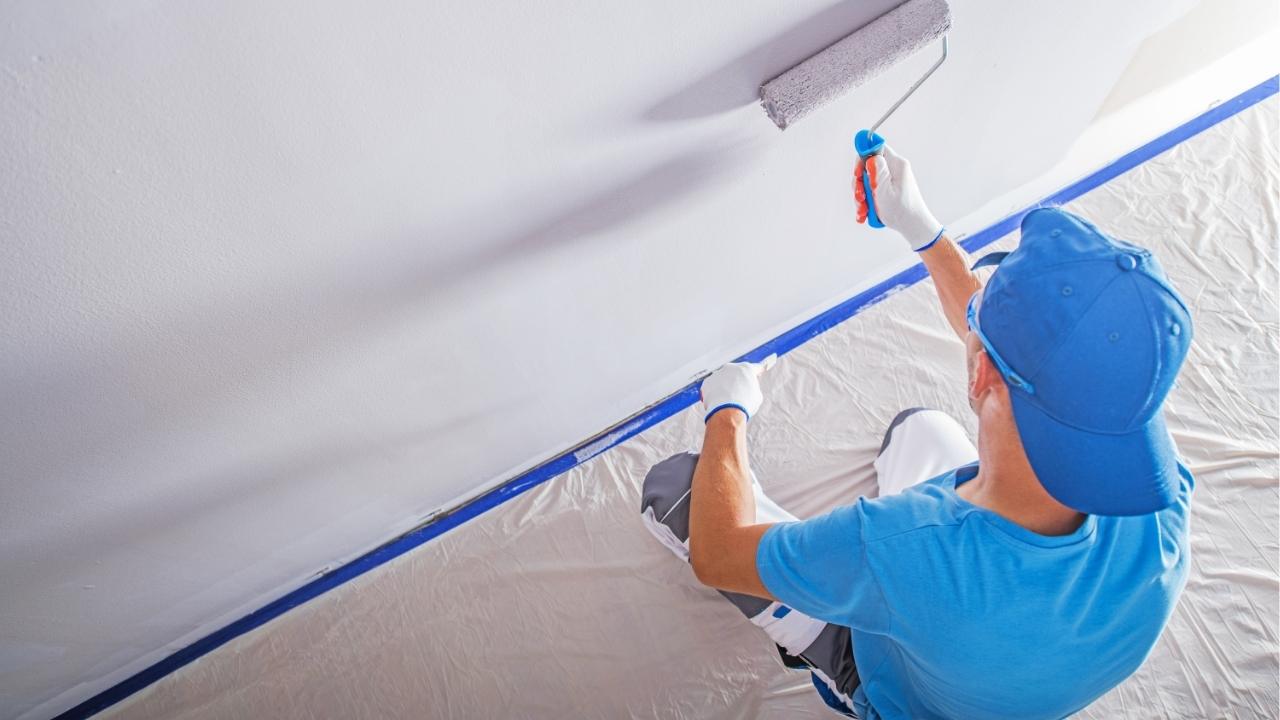
How Often Should Offices, Retail Stores, and Restaurants Repaint?
Paint does more than make a commercial property look presentable. It shapes customer impressions, supports your brand, protects surfaces, and can even influence how employees feel about their workplace.
Most commercial interiors need repainting every three to five years, but the right schedule depends on foot traffic, surface wear, weather exposure, and how the space is used. Businesses comparing commercial painting contractors in Bellingham WA should look beyond a fixed timeline and assess the actual condition of their property. Offices may stay fresh for years, while busy restaurants and retail stores can show wear much sooner. Outdoor surfaces usually need more frequent attention because rain, sunlight, moisture, and temperature changes steadily break down coatings. Professional exterior painting services can help prevent peeling, water intrusion, staining, and premature surface damage. Experienced commercial painting specialists can also recommend durable coatings based on the building type, traffic level, and maintenance needs.
This guide explains how often different commercial spaces should be repainted, which warning signs matter most, and how a planned painting schedule can reduce long-term costs.
How Often Should an Office Be Repainted?
A typical office should be repainted every three to five years. However, some areas may need attention sooner, especially if they experience frequent contact, furniture movement, or heavy daily use.
Reception areas, meeting rooms, hallways, and shared workspaces tend to wear faster than private offices. Walls near doorways, light switches, chairs, and filing cabinets often develop scuffs and marks long before the rest of the room looks dated.
Consider repainting sooner when you notice:
Scratches, stains, or chipped paint
Faded colors in rooms with strong sunlight
Walls that look dull even after cleaning
Visible drywall repairs or patchwork
Branding that no longer matches the company
A dated color scheme that affects the space’s appeal
A fresh coat of paint can make an older office feel cleaner and more professional without requiring a complete renovation. It is also worth repainting when hiring increases, departments are reorganized, or the business is preparing to meet clients more frequently.
For lower-traffic offices, repainting every five to seven years may be enough. High-traffic workplaces, medical offices, call centers, and shared commercial spaces may need repainting every two to three years.
How Often Should a Retail Store Be Repainted?
Retail stores often need repainting every two to four years. Because customers closely associate appearance with quality, worn walls can quietly affect how they perceive the products and the business itself.
Stores with high customer traffic may need touch-ups every year, especially near entrances, checkout counters, changing rooms, shelving, and product display areas. Seasonal displays and repeated fixture changes can also leave holes, marks, and uneven patches behind.
Repainting may be necessary when:
The store is changing its brand identity
Displays no longer stand out against the walls
High-touch areas look dirty or damaged
Competitors have updated their interiors
The business is preparing for a grand opening or relaunch
The existing colors make the space feel dark or cramped
Color selection matters in retail environments. Lighter colors can make small stores feel more open, while bold accent walls can highlight featured products or direct attention toward specific displays.
Rather than waiting until the entire store looks worn, owners can use a phased approach. Repainting one section at a time may reduce disruption and help control costs while keeping the property consistently presentable.
How Often Should a Restaurant Be Repainted?
Restaurants usually need interior repainting every two to three years. Busy dining spaces may require more frequent touch-ups because grease, steam, food splashes, moisture, cleaning products, chairs, and constant customer traffic can wear down painted surfaces quickly.
Dining areas may remain attractive for several years, but kitchens, restrooms, hallways, and service stations tend to show damage sooner. Walls near tables and booths are also vulnerable to scuffs, stains, and repeated contact.
Restaurants should consider repainting when:
Grease or food stains remain after cleaning
Paint begins bubbling or peeling
Moisture marks appear near kitchens or restrooms
Walls absorb odors
The dining area feels dated
The concept, menu, or branding has changed
The correct paint finish is especially important in restaurants. Washable, moisture-resistant coatings generally perform better in areas that require frequent cleaning. Using the wrong product may lead to early fading, peeling, or staining.
Restaurants should also schedule painting during slower business periods whenever possible. Overnight work, phased painting, or completing the project on closed days can help avoid lost revenue.
What About Exterior Commercial Painting?
Commercial exteriors generally need repainting every five to ten years. However, buildings in wet, coastal, or highly exposed areas may need attention sooner.
The lifespan of an exterior paint job depends on several factors:
Previous surface preparation
Paint and primer quality
Building material
Sun and moisture exposure
Drainage and ventilation
Local weather conditions
Frequency of maintenance
Wood siding may require repainting every three to seven years, while properly prepared stucco or masonry may last longer. Metal surfaces may also have a longer lifespan when rust is treated early and the correct industrial coating is used.
Waiting until exterior paint is severely peeling can lead to more expensive repairs. Exposed wood may absorb moisture, metal may corrode, and cracks may allow water to enter the building envelope.
Regular inspections can identify problems before they spread. Business owners should check exterior surfaces at least once a year, especially after winter or periods of heavy rain.
Signs Your Commercial Property Needs Paint Now
Repainting schedules are useful, but visible condition matters more than the calendar. A property may need painting earlier than expected if surfaces are exposed to unusual wear, moisture, or heavy traffic.
Look for these warning signs:
Peeling, cracking, or bubbling paint
Water stains or mildew
Faded exterior colors
Rust on metal surfaces
Scuff marks that cannot be cleaned
Uneven touch-up areas
Chalky residue on exterior walls
Damaged caulking around doors and windows
These issues are not always cosmetic. Peeling paint, moisture damage, and failed caulking may indicate that the underlying surface is no longer properly protected.
Addressing the problem early usually costs less than waiting for widespread damage.
Case Study: Updating a Busy Restaurant
A locally owned restaurant had not been repainted for nearly six years. Although the dining room was cleaned daily, the walls near booths and service areas had heavy scuffing, grease marks, and faded patches. The owner worried that closing for painting would disrupt business, so the work was divided into sections and completed after operating hours. Washable coatings were used in the dining room, while moisture-resistant products were applied near the kitchen and restrooms. After the project, the restaurant looked brighter, cleaner, and more consistent with its updated menu and branding. Customers noticed the change, and the owner avoided a costly full interior renovation.
How to Build a Practical Repainting Schedule
A planned maintenance schedule helps businesses avoid sudden repairs and keep painting expenses predictable. Start by dividing the property into zones based on use and traffic.
For example:
Inspect entrances and hallways every six months
Touch up high-contact areas once or twice a year
Repaint restaurant interiors every two to three years
Repaint retail interiors every two to four years
Repaint office interiors every three to five years
Inspect exterior surfaces annually
Plan full exterior repainting every five to ten years
Keep records of paint colors, brands, finishes, and project dates. This makes future touch-ups easier and helps contractors match existing surfaces accurately.
It is also smart to schedule repainting before peak seasons, major events, lease renewals, property listings, or important client visits.
Why Professional Preparation Matters
A commercial paint job will only last if the surfaces are prepared correctly. Painting over grease, moisture, loose coatings, or damaged drywall may produce a quick visual improvement, but the new finish can fail within months.
Professional preparation may include:
Cleaning and degreasing
Scraping loose paint
Sanding rough areas
Repairing cracks and holes
Treating stains or mildew
Priming repaired or bare surfaces
Caulking gaps
Protecting floors, fixtures, and merchandise
Preparation often takes longer than applying the final coats, but it has the greatest effect on durability.
Commercial properties also require careful scheduling, safety planning, ventilation, and cleanup. A qualified painting team should provide a clear scope of work, explain which products will be used, and outline how business disruption will be minimized.
Keep Your Business Looking Its Best
There is no single repainting schedule that works for every commercial property. Offices may go several years between projects, while restaurants and retail stores often need more frequent updates due to heavier wear.
The best approach is to inspect surfaces regularly, address damage early, and plan repainting before the property begins to look neglected. A well-maintained paint finish protects the building, supports your brand, and creates a stronger experience for employees and customers.
Contact a trusted local commercial painting team today to schedule an inspection and create a repainting plan that fits your property, operating hours, and budget.